Improving home energy efficiency is one of the most effective ways Vancouver Island homeowners can increase comfort while managing rising energy costs. Even with relatively mild coastal winters, inefficient homes can lose heat, waste energy, and drive up monthly utility bills.
Home energy efficiency is about using less energy to maintain the same level of comfort, whether that means upgrading heating equipment, improving insulation, or making smaller adjustments to how systems are used. As part of broader heating solutions designed for Island homes, energy-efficient upgrades help reduce strain on systems while supporting long-term performance. Many homeowners also explore green energy options as part of an overall efficiency strategy.
Why Home Energy Efficiency Matters on Vancouver Island
Vancouver Island’s climate creates unique energy demands. While winters are milder than much of Canada, homes still rely on consistent heating for long stretches of the year. Damp coastal conditions can also affect how well homes retain heat, making efficiency a key factor in maintaining comfort.
For energy-efficient homes on Vancouver Island, improvements often focus on steady performance rather than extreme cold protection. Efficient systems help maintain even temperatures, reduce drafts, and limit unnecessary energy use during shoulder seasons.
Energy efficiency for Vancouver Island homes also supports long-term sustainability goals. Many homeowners explore geothermal and other renewable technologies as part of their plan, often supported by available rebates that encourage energy-conscious upgrades across British Columbia.
Key Home Energy Efficiency Upgrades
When home efficiency upgrades are explained clearly, homeowners can make informed decisions without feeling overwhelmed. Some of the most effective energy-saving upgrades include:
Insulation and Weatherproofing
Improving insulation in attics, walls, and crawlspaces helps prevent heat loss. Weatherproofing doors and windows also reduces drafts and moisture intrusion, which is especially important in coastal environments.
Efficient Home Heating Systems
Modern heating equipment plays a major role in overall efficiency. Systems such as heat pumps are designed to move heat rather than generate it, which significantly reduces energy use. Many homeowners pair these systems with ductless configurations or integrate them with an air handler for balanced airflow throughout the home.
Windows and Doors
Upgrading older windows and doors improves heat retention and reduces cold spots, supporting consistent indoor temperatures and lower energy demand.
Together, these energy-saving upgrades form the foundation of a more efficient, comfortable home.
How to Reduce Energy Consumption at Home
Knowing how to improve home energy efficiency does not always require major renovations. Small, practical steps can also make a meaningful difference.
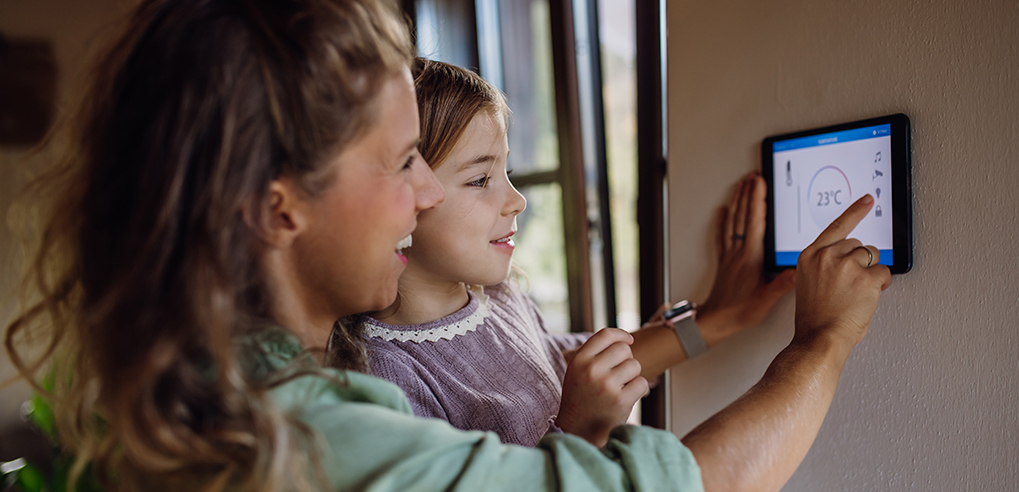
Adjusting thermostat settings by a few degrees, especially overnight or when away, helps reduce energy consumption without affecting comfort. Choosing energy-efficient appliances and lighting further limits unnecessary usage.
Routine system care is another key factor. Regular maintenance helps heating and cooling equipment operate as intended, reducing wear and improving efficiency over time. Seasonal checkups are especially useful when paired with proactive seasonal preparations, which ensure systems are ready before colder or warmer weather arrives.
These energy efficiency tips for homeowners help extend equipment life while keeping monthly energy use predictable.
The Role of Heating Systems in Home Efficiency
Heating systems are one of the largest contributors to household energy use, making them central to home energy efficiency. Older systems often work harder than necessary, using more energy to achieve the same level of comfort.
Understanding how heat pumps improve home efficiency is key for many Island homeowners. Heat pump systems transfer heat rather than creating it, allowing them to operate efficiently even during cooler months. Their steady performance aligns well with Vancouver Island’s climate and supports long-term comfort.
When combined with professional installation and proper system design, energy-efficient heating systems can significantly reduce energy consumption. Many homeowners also explore rebates when upgrading heating equipment, as incentives are often available for high-efficiency systems.
The Financial Benefits of Energy-Efficiency
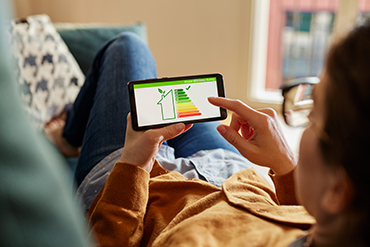
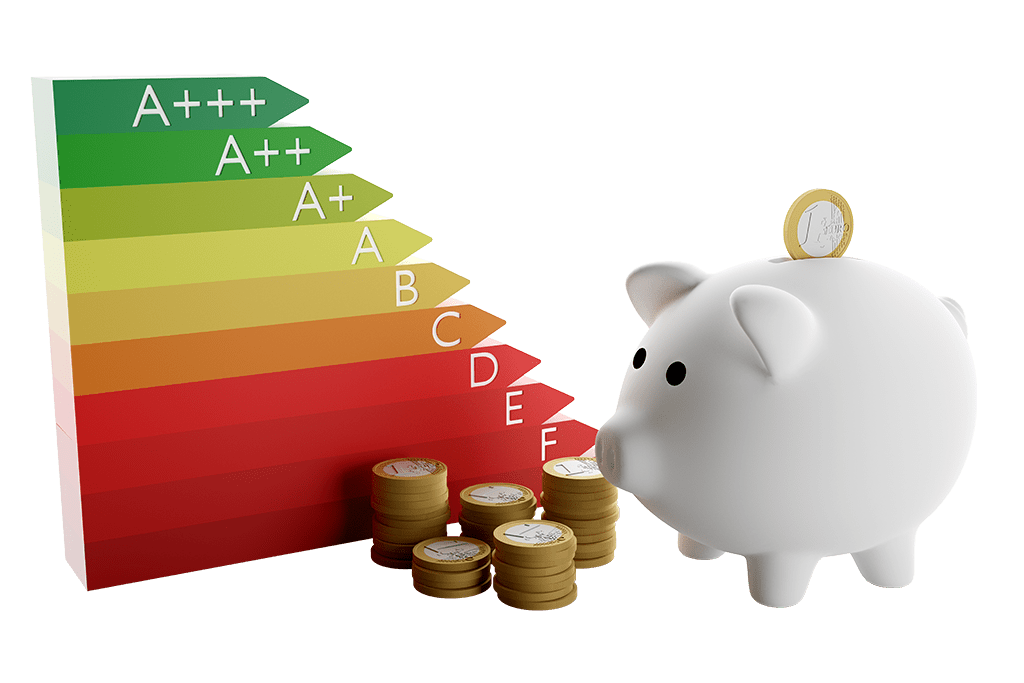
Beyond comfort, energy efficiency offers clear financial advantages. Lower energy use translates to financial savings on energy bills over time, particularly for homes that rely heavily on heating throughout the year.
Many homeowners also benefit from home energy rebates and provincial incentive programs that help offset upfront upgrade costs. These incentives reduce the initial investment while improving long-term return. Over the lifespan of energy-efficient equipment, the combination of lower operating costs and available incentives often makes efficiency upgrades a practical financial decision.
How to Choose the Right Energy Efficient Solutions for Your Home
Choosing energy-efficient solutions depends on factors such as your home’s age, layout, and existing systems. What works well for one home may not be the best fit for another.
Professional assessments help identify where efficiency gains will have the most impact. From heating upgrades to ventilation and plumbing considerations, a whole-home approach ensures improvements work together rather than in isolation. Homeowners who want guidance tailored to their space can start by reaching out through the contact page to discuss available options.